

Manufactured homes are having a moment. As more Americans seek affordable paths to homeownership, these homes offer a real opportunity to stop renting and start building equity. The numbers are compelling: existing manufactured homes carry a national median price around $72,000, while site-built homes (traditionally constructed houses) sit at $367,000. That price difference opens doors for buyers who might otherwise wait years to own a home.
But financing a manufactured home works differently from a standard home loan. Understanding the unique nuances of this process will help you navigate the financial path to ownership with confidence.
The Familiar Parts
Some fundamentals of home financing still apply:
- A higher credit score gets you better interest rates and terms
- Lenders evaluate your debt-to-income ratio, verify income, and review credit history
- You’ll need documentation like pay stubs, tax returns, and bank statements
In other words, the prep is similar to any home purchase.
Start With Specialized Lenders
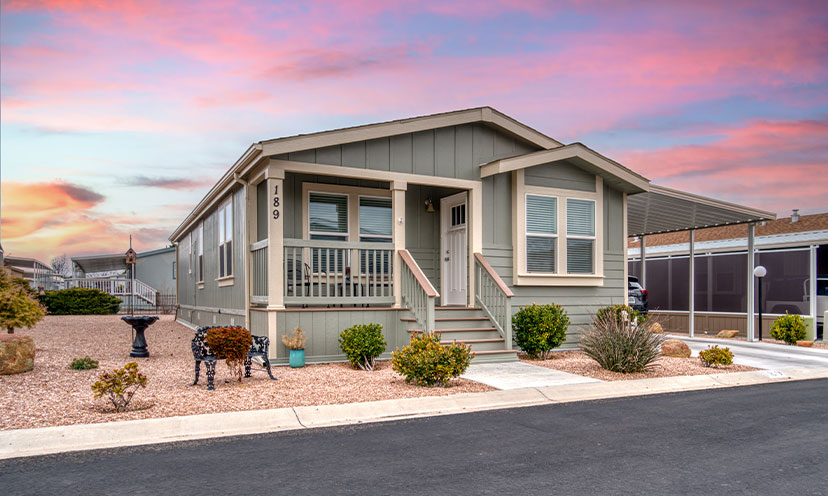
Here’s something buyers may not realize: most traditional banks aren’t set up to handle manufactured home loans, especially for homes in communities. That’s why starting with specialized lenders often makes the most sense. These companies focus exclusively on manufactured housing, can guide you toward the right loan type, and often connect you with real estate agents who understand this market. Getting pre-approved through one of these lenders before you shop will strengthen any offer you make.
21st Mortgage is one of the nation’s largest manufactured home lenders with programs for all credit levels, including 0% down for qualified buyers with strong credit.
Vanderbilt Mortgage has over 40 years of experience with programs for new and used homes, including options for less-than-perfect credit.
Triad Financial Services offers both FHA Title I and chattel loan options.
CountryPlace Mortgage specializes in chattel loans and land-home packages.
Cascade Loans focuses on chattel financing with a minimum credit score of 575.
CIS Home Loans offers “home only” programs for buyers placing homes in communities.
Your Loan Options for Community Homes
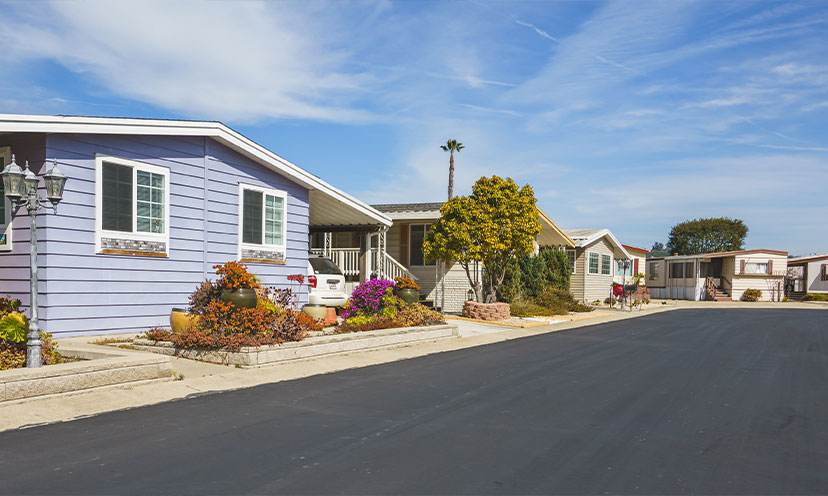
If you’re browsing a site like Zillow or MHVillage, you’re likely looking at homes already in a manufactured home community (sometimes called a mobile home park). In this setup, you own the home but pay monthly lot rent for the land. Roughly three million manufactured homes sit on leased land nationwide.
Because you won’t own the land, traditional mortgages don’t apply. Here are your main options:
Chattel Loans
Chattel loans are the most common financing for manufactured homes in communities, making up about 42% of all manufactured home loans. Think of them as personal property loans, similar to auto financing.
Typical terms: Interest rates range from 5.99% to 12.99% depending on credit. Loan terms run 7 to 25 years. Minimum loan amounts start around $16,000, and while there’s no hard maximum, amounts are typically smaller than traditional mortgages since you’re financing only the home.
Down payments: Usually 5% to 20%, though lower credit scores may require 20% to 35%. Some lenders offer 0% down for highly qualified buyers.
Credit requirements: Most lenders want scores of 575 to 600 minimum.
The appeal: Faster approval (often within 30 days) and flexibility for homes on leased land.
FHA Title I Loans
FHA Title I loans are government-backed and designed for manufactured homes in communities. They often offer better rates and consumer protections than private chattel loans.
To qualify, the community must provide a lot lease (similar to an apartment rental agreement for the land) that meets FHA requirements: at least three years remaining from closing, 180 days’ written notice before termination, and transferability to a future buyer or lender.
In March 2024, HUD raised maximum loan amounts for this program for the first time since 2008:
- Single-section homes (single-wide, typically 600 to 1,300 square feet): up to $105,532
- Multi-section homes (double-wide or larger, typically 1,000 to 2,400 square feet): up to $193,719
Down payment: Typically 5% minimum with a credit score of at least 580.
Loan terms: Up to 20 years for single-section homes, 25 years for multi-section.
Not every community qualifies for FHA Title I financing. Communities may be disqualified if they charge excessive transfer fees, have first-right-of-refusal clauses that complicate sales, or have lease terms that restrict your ability to make repairs. Your lender can review a community’s documents to confirm eligibility before you commit.

What to Know About Lot Rent
When buying a home in a community, lot rent is separate from your home payment. This monthly fee covers your right to occupy the space and typically includes community maintenance.
Lot rent varies widely: around $400 in rural areas to $1,500+ in desirable locations. This cost never builds equity, so factor it carefully. Your total monthly housing cost will be loan payment plus lot rent plus insurance.
💡 Insider tip: Before purchasing, ask about the community’s rent increase history and policies. Some states have rent control protections for manufactured home communities, while others don’t.
Homes on Private Land
For buyers purchasing a manufactured home on land they own, financing options expand. All of these require permanent attachment to the land:
- FHA Title II loans: 3.5% down, terms up to 30 years, limits of $541,287 in most counties for 2026
- VA loans: Zero down for eligible veterans
- USDA loans: 100% financing in qualifying rural areas
- Conventional loans: Competitive rates through Fannie Mae’s MH Advantage program
Your Action Plan
- Check your credit and address any issues before applying. Most lenders want scores of 575+, with better rates at 640+.
- Contact 2-3 specialized lenders to compare rates, get pre-approved, and ask about agents who work with manufactured homes.
- Research the community if buying in a land-lease situation. Ask about lot rent history, lease terms, and buyer approval requirements.
- Verify the home meets financing requirements: It must be built after June 15, 1976, with HUD certification labels intact. These red metal tags prove the home meets federal safety standards required for most loans.
- Calculate total monthly costs including loan payment, lot rent, insurance, and property taxes.
The bottom line: Owning a manufactured home is well within reach. Chattel loans are the most common route, with FHA Title I as an option when the community meets lease requirements. Start with specialized lenders who know this market, get your pre-approval, and you’ll be on your way to homeownership. 🏡